A one-on-one meeting with Dr. Greenberg
Cosmetics & Aesthetics
Dental Implants vs Dentures
Unlike traditional dentures that slip and cause your jawbone to shrink over time, our implant solutions restore near-natural chewing power and preserve your jawbone for life.

Which Tooth Replacement Option Is Right for You?
If you are missing teeth or facing the loss of several teeth, two of the most common solutions are dentures and dental implants.
Both options can restore your smile and help you eat and speak more comfortably. However, they work very differently and provide different levels of stability, chewing ability and long-term benefits. At our practice, we help patients understand the advantages and limitations of each option so they can make the decision that is right for their health, lifestyle and budget.

Traditional Dentures
A Removable Tooth Replacement Option
Dentures have been used successfully for many years and remain a viable solution for some patients. They can restore appearance and basic chewing function, but because they sit on the gums rather than being rooted in the bone like natural teeth, they can move or feel unstable during daily activities such as eating or speaking.
Over time, dentures also do not prevent bone loss in the jaw. When teeth are missing, the bone that once supported them gradually shrinks. This can eventually cause dentures to become looser and require adjustment or replacement.
Many patients also find they must limit certain foods because their chewing power is significantly reduced.
Dental Implants
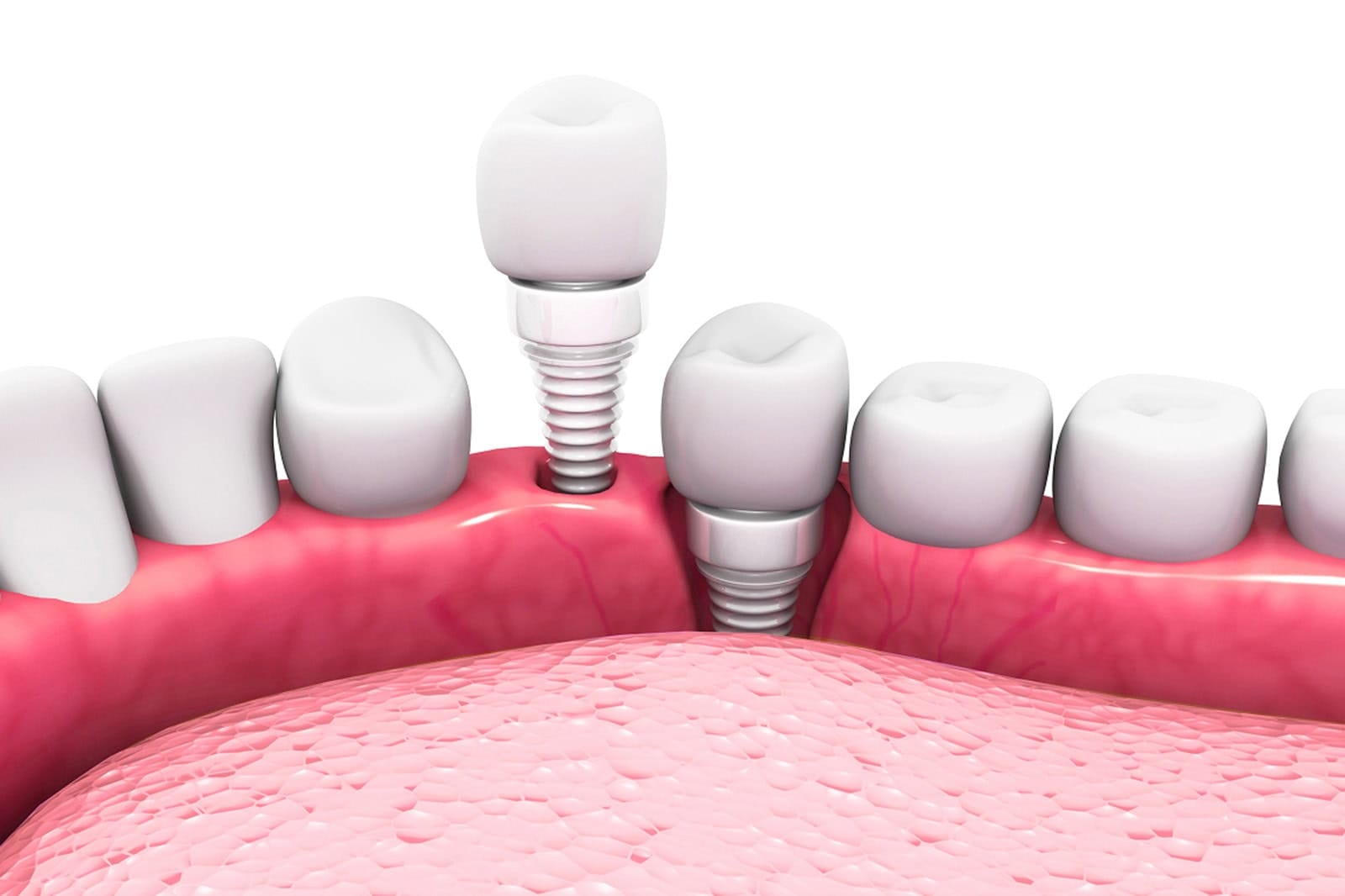
Dental implants replace the root of a missing tooth with a small titanium post placed in the jawbone. A crown, bridge or denture is then attached to the implant.
Special Offer
Complimentary Implant Consultation*
If you are considering dental implants, the first step is a consultation to discuss your situation and determine which options may be appropriate for you.
Your consultation includes:
*Does not include any X-rays or 3D scans.

Benefits of Dental Implants vs Dentures
A Stable, Long-Term Solution
Because an implant integrates with the bone, it creates a stable foundation that allows replacement teeth to function much more like natural teeth.
Implants also stimulate the jawbone, which helps prevent the bone loss that normally occurs when teeth are missing.
This stability is one of the main reasons implants have become the preferred long-term solution for tooth replacement.Chewing Ability
One of the biggest differences patients notice is chewing ability. Traditional dentures typically provide only about 10% of natural chewing power. Because they rest on the gums, they can move when biting or chewing.
Implant-supported teeth are far more stable. Depending on the type of implant solution used, patients can regain roughly 60–90% of their natural chewing ability, allowing them to eat a much wider variety of foods comfortably.
Preventing Bone Loss
When teeth are lost, the jawbone no longer receives the stimulation it needs and begins to shrink.
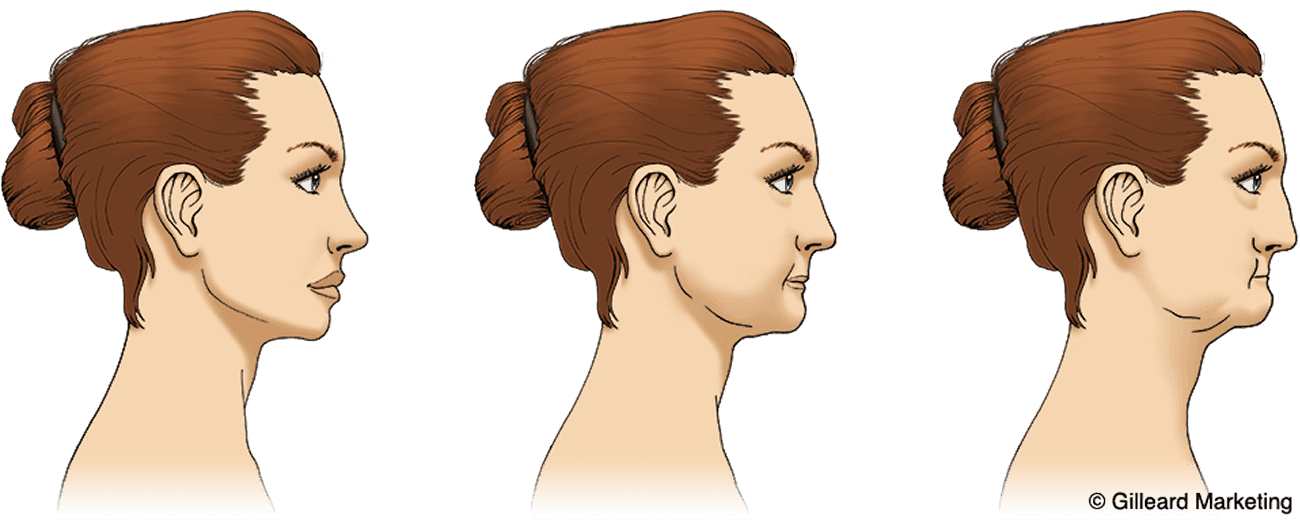
Dentures sit on the gums and do not stop this process. Over time, the bone loss can change the shape of the face and make dentures fit more loosely.
Dental implants help preserve bone because they function like natural tooth roots. This stimulation helps maintain the jaw’s structure and supports the facial muscles.
Dentures and Implants Compared
| Feature | Traditional Dentures | Dental Implants |
|---|---|---|
| Stability | ||
| Stability | Can move or slip | Secure and stable |
| Chewing Ability | ||
| Chewing Ability | About 10% of natural teeth | Approx 60% for Snap-In Dentures |
| Bone Loss | ||
| Bone Loss | Does not prevent bone loss | Helps preserve jawbone |
| Comfort | ||
| Comfort | May require adhesive | Feels more like natural teeth |
| Maintenance | ||
| Maintenance | Must be removed daily | Depending on type, may be removable or fixed |
| Longevity | ||
| Longevity | Often require adjustments or replacement | Designed to be a long-term solution |

Implant Options That Replace Dentures
Many of our implant patients initially wore traditional dentures.
Over time, they became frustrated with looseness, reduced chewing ability or the need for adhesives. Dental implants allow us to anchor replacement teeth securely to the jaw, creating a much more stable and natural-feeling result.
Depending on your situation, implant options may include:
During your consultation, we will evaluate your situation and explain which options may work best for you.
TESTIMONIALS
What Our Patients Say

“Dr. Greenberg and his staff have been with me every step of the way.”
“Dr. Greenberg is very knowledgeable, and he is up on the latest techniques and technologies. He is skillful and quick and very willing to discuss alternatives and explain procedures.
“The practice is lovely and has great staff that are friendly and attentive. It is easy to get an appointment, and they are understanding when I have to reschedule.
“Now, I have a happier mouth! Teeth are a nice thing to have, and Dr. Greenberg made it possible.”